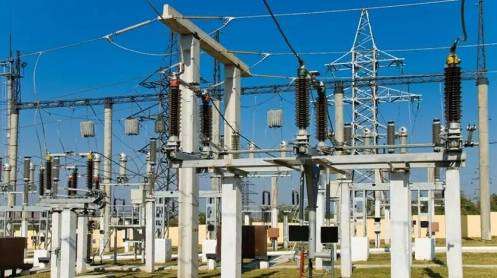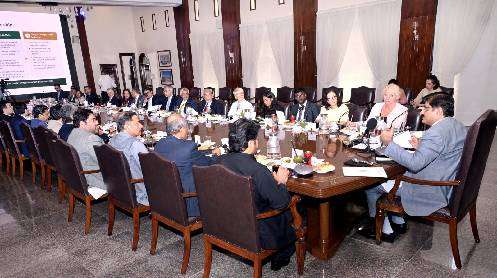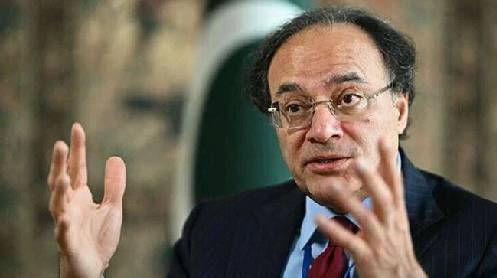
ISLAMABAD: Finance Minister Muhammad Aurangzeb on Tuesday cautioned that the global energy crisis could continue for months even after a ceasefire, citing extensive damage to energy infrastructure in the Gulf region.
Addressing parliament, the minister said that while diplomatic efforts may lead to a cessation of hostilities, recovery in the global energy sector would take time. “Even if a ceasefire is achieved, normalisation may take weeks or months as critical energy infrastructure has been targeted,” he stated.
Aurangzeb said the government is closely monitoring key indicators, including rising petroleum rates, freight charges, insurance costs, and crude oil shipments. He emphasized the need for Pakistan to build strategic reserves to better withstand future shocks.
Highlighting relief measures, the minister noted that subsidies for two-wheelers, four-wheelers, and public transport have already been initiated. He added that the government has so far provided Rs129 billion in petroleum subsidies to cushion the impact of rising global prices.
He also pointed out that several countries have begun fuel rationing, while prices in the United Arab Emirates have surged significantly, with petrol and diesel increasing by 30% and 70%, respectively.
On external accounts, Aurangzeb said Pakistan’s remittances remain stable for now, but warned that 40–50% of inflows originate from Gulf Cooperation Council (GCC) countries, making them vulnerable to regional instability. The government is assessing the potential impact on the balance of payments, current account, and inflation.
The minister stressed that continued support from the International Monetary Fund (IMF) remains critical, particularly under the Extended Fund Facility (EFF), to maintain economic stability during the crisis.
He further revealed that Pakistan is set to meet key external obligations, including upcoming Eurobond repayments and the return of a $3.5 billion loan to the UAE this month, along with an additional $1.3 billion Eurobond repayment due by June.
Aurangzeb concluded that while Pakistan has entered the crisis with relatively stable economic buffers, proactive planning and international financial support will be essential to navigate the prolonged uncertainty.